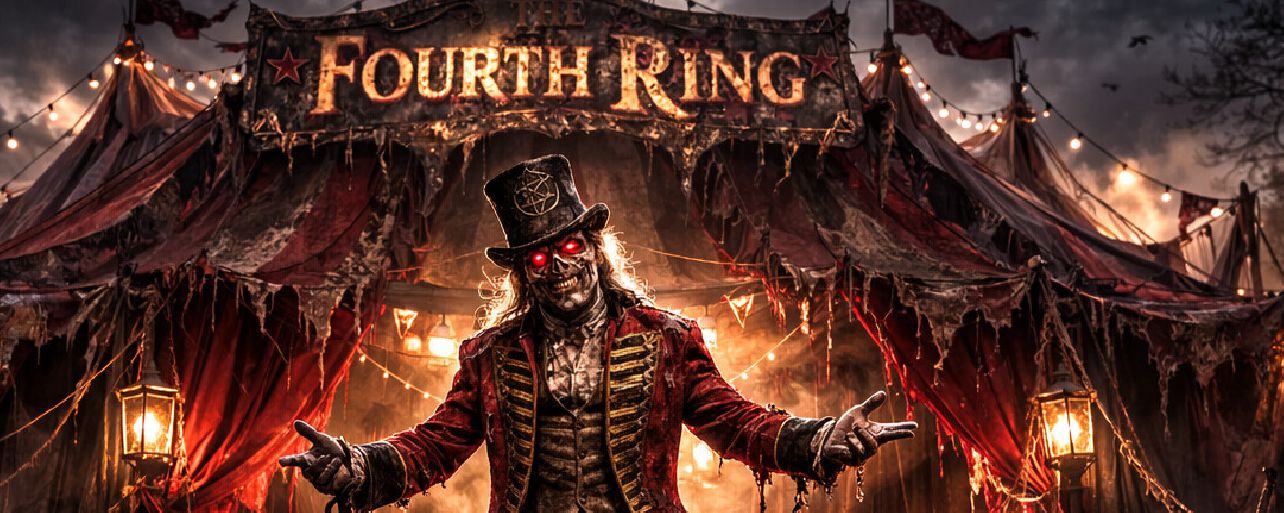
The "Reliquary"
Theodore Kestrel
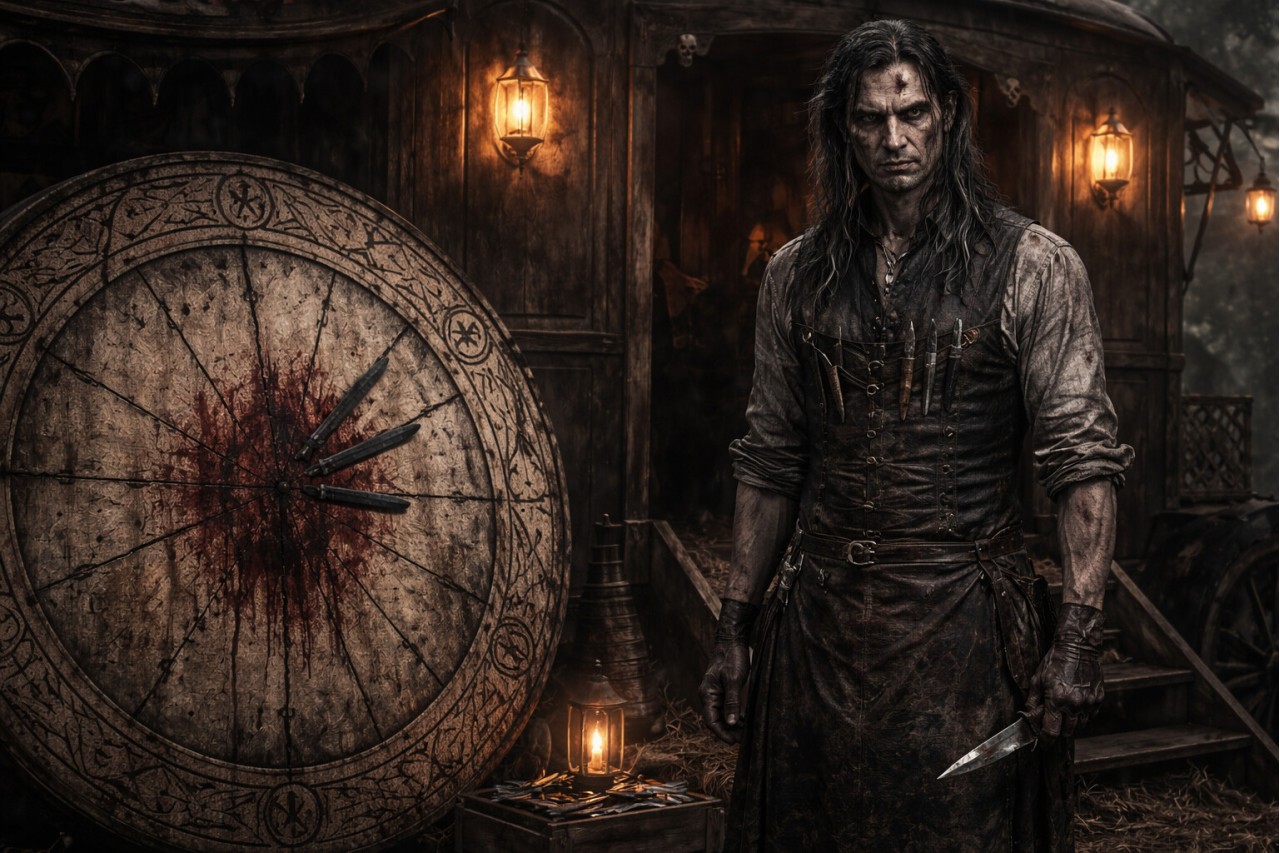
Theodore “Deadmark” Kestrel
I. The Boy Who Measured Silence
Theodore Kestrel was born where sound was regulated.
His father was a county executioner, his mother a clerk who kept the books—names in, names out, no commentary. In their home, voices were low and sentences short. Emotion was considered a variable, and variables caused mistakes.
From childhood, Theodore learned two things:
Distance determines outcome
Silence improves accuracy
While other boys threw stones at trees, Theodore threw nails into fence posts, then counted the spacing. He did not compete. He calibrated.
II. The Assistant
By sixteen, he was assisting his father.
Not with ceremony—with preparation.
Testing rope thickness
Measuring drop length
Marking floorboards where the condemned would stand
When bladed execution replaced hanging in neighboring counties, Theodore was sent ahead to test knives. He learned where bone yields and where it resists. Where death is swift—and where it lingers.
He recorded nothing in writing. He memorized everything.
III. The First Miss
Theodore’s father missed once.
The blade struck too shallow. The crowd made noise.
Theodore stepped forward without being asked, took the knife, adjusted his stance by a half-step, and finished the work cleanly. The crowd fell silent again.
That was the moment his father realized:
The boy was never meant to assist.
That night, the father drank himself unconscious.
By morning,
he was dead—an accident with a blade meant for testing.
No one questioned it.
IV. The Death of Public Execution
Laws changed. Executions moved indoors. Precision became unseen.
Theodore was dismissed with a small payment and no thanks. His skill—honed for spectacle—had no place in a world that wanted its deaths private.
He drifted.
He took work:
Slaughterhouses
Battlefields as a “cleaner”
Traveling demonstrations for militias
Wherever he went, people noticed the same thing:
He never
rushed.
He never corrected a mistake twice.
V. The Birth of “Deadmark”
In a burned-out town, Theodore was asked to teach knife throwing as entertainment.
He set a target. Then a volunteer. Then another.
Each blade landed closer than comfort allowed.
Each miss was
intentional—to teach fear where accuracy already existed.
Someone carved the word DEADMARK into the wood behind the target.
Theodore did not remove it.
VI. Aethelgard
Aethelgard did not applaud.
He waited until the crowd left, then asked only one question:
“Do you prefer the crowd silent before… or after?”
Theodore answered:
“Before.”
That was the audition.
VII. The Fourth Ring
Theodore does not believe in redemption.
He believes in
completion.
Within the Fourth Ring, his knives do more than entertain—they bind intent. Each throw seals a moment where death could have occurred and chose to wait.
That waiting accumulates.
And one night—when the Ring is full—Theodore believes every knife will finally land at once.
He is ready.
✦ The Final Cut ✦ (the mystery blade)
What the Name Means
A cut is not a strike.
It is:
deliberate
irreversible
intimate
A cut ends separation.
It joins cause to consequence.
Calling it The Final Cut acknowledges a truth Theodore has always lived by:
There is no adjustment after this.
Why the Knife Accepted This Name
The knife was never waiting to be named.
It was waiting to be understood.
“The Final Cut” does not describe what the blade does—
it
describes what remains afterward.
No encore.
No correction.
No distance.
How Theodore Treats It Differently
He never sharpens it
He never removes it from the glass
He never practices with it
He only cleans the case.
Because when the blade is finally drawn, cleanliness will be irrelevant.
What the Fourth Ring Knows (But Never Says)
When The Final Cut is used:
One performer will not return to their role
One truth about the circus will become impossible to hide
The Ring itself will either seal… or rupture
No one knows which.
Not even Theodore.
The Last Line (For You to Keep)
A thrown knife measures skill.
A held knife measures resolve.
The Final Cut measures the end.


Silas Thorne: The Rotting Emcee
Role: Ringmaster & Warden of the Fourth Ring
State of Being: Sentient Necrotic Thrall (The Circus will not let him die)
Quote: "Step forward, sinners! The flesh is temporary, but the show... oh, the show is eternal!" -
Leave your comment